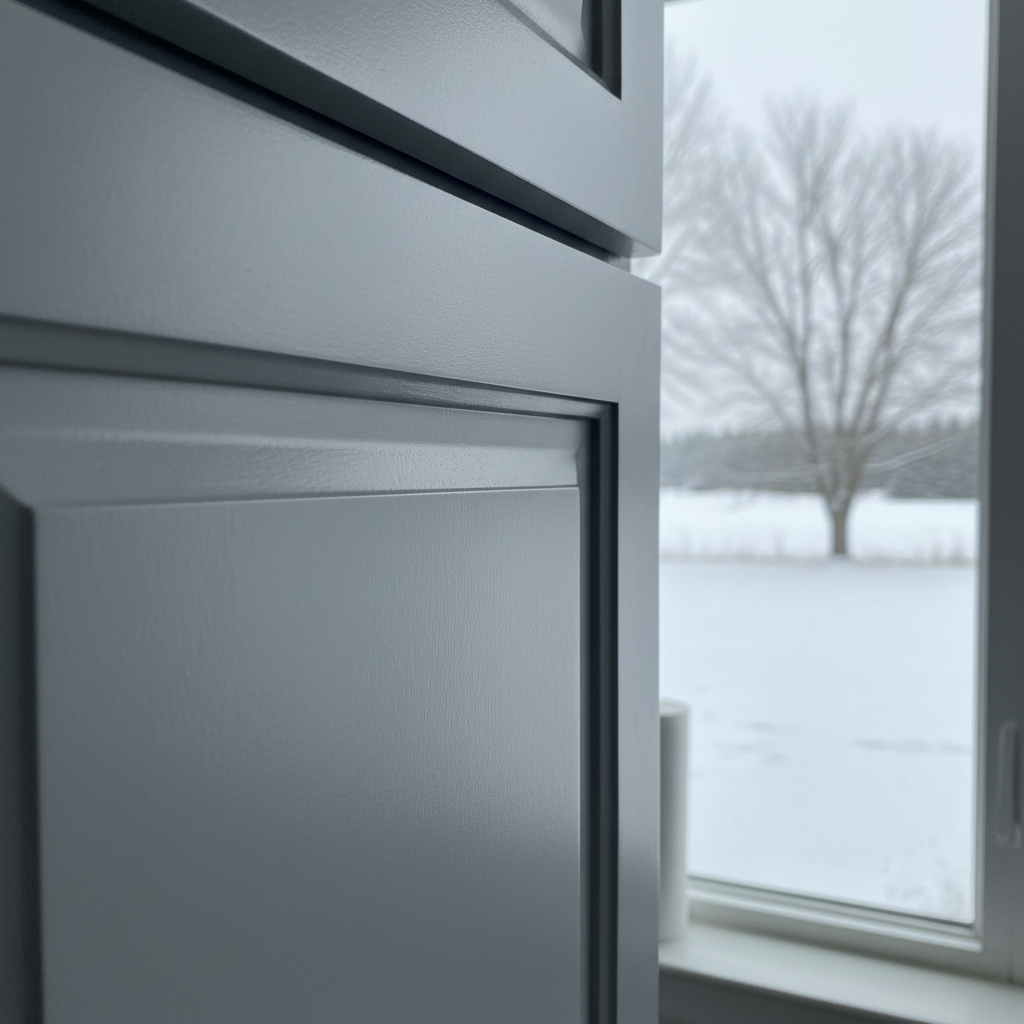
You're looking at those kitchen cabinets, maybe they're dated, maybe they're just not your style anymore, and you're thinking, "I could paint those myself." I get it. A fresh coat of paint on cabinets can totally transform a kitchen without the sticker shock of a full remodel. But before you grab a brush and a can of paint, let's talk about what cabinet painting actually involves, especially here in Fargo.
Before You Even Think About Paint
First off, this isn't like painting a wall. Not even close. Cabinets get a lot of abuse – grease, grime, constant touching, steam from cooking. The prep work is probably 80% of the job, and if you skimp on it, you'll regret it. Trust me, I've seen plenty of DIY jobs where the paint starts peeling off cabinets after a year or two because the prep wasn't done right.
- Assess the condition: Are your cabinets solid wood, MDF, laminate? Solid wood is generally the best candidate. Laminate or thermofoil? That's a whole different beast and often not worth painting yourself. If they're greasy, chipped, or have deep gouges, that's more work for you.
- Pick your paint wisely: This isn't the time for cheap wall paint. You need a durable, hard-wearing finish. Alkyd enamels, lacquer, or specific cabinet-grade paints are what you're after. They cure harder and stand up to wear and tear better. Don't skimp here.
- Space and time: Do you have a dedicated, dust-free area where you can lay out all your doors and drawer fronts for days, maybe even a week or more? You'll need good ventilation, too. This isn't a weekend project, especially if you want it to look professional.
The DIY Cabinet Painting Process: It's a Marathon
Alright, you've decided to tackle it yourself. Good for you. Just know what you're signing up for. Here's the simplified version, but each step has its own challenges:
- Disassembly: Remove all doors, drawer fronts, and hardware. Label everything! You'll thank me later when you're trying to put it all back together.
- Cleaning: This is crucial. Every single surface needs to be meticulously cleaned to remove all grease, dirt, and grime. Use a good degreaser. If you miss a spot, the paint won't stick.
- Sanding: Lightly sand all surfaces to de-gloss them and give the primer something to grip. Don't go crazy; you're not trying to remove the finish, just scuff it up. Clean off all dust afterward.
- Repair: Fill any dings, dents, or old hardware holes with wood filler. Sand smooth.
- Priming: Use a high-quality, stain-blocking primer. Two coats are usually best, lightly sanding between coats. This is where you prevent wood tannins from bleeding through your nice new paint color.
- Painting: This is where the real skill comes in. You'll need multiple thin coats, not one thick one. Brushing can leave brush strokes; rolling can leave stipple. For the smoothest finish, spraying is ideal, but that requires specialized equipment and a lot of practice. Sand lightly between coats with very fine sandpaper (like 320-400 grit).
- Curing: This is the part most DIYers rush. Even if the paint feels dry to the touch, it takes weeks, sometimes even a month, for the paint to fully cure and harden. If you reassemble and start using them too soon, you'll get chips and dings.
- Reassembly: Put all the hardware back on, rehang the doors, and adjust them so they're perfectly aligned.
See? It's a lot. And if you're trying to do this in a typical Fargo home during the winter, you've got to deal with low humidity, which can affect drying times, or dust from the furnace running. It's a whole thing.
When to Call a Pro (Like Us at Fargo Painting Company)
So, when does it make sense to just bite the bullet and hire someone? Honestly, for most homeowners, it's almost always worth it for cabinet painting. Here's why:
- The finish: Professionals have the right equipment (sprayers, dedicated spray booths), the right products (industrial-grade paints and primers), and the experience to get that factory-smooth, durable finish you're dreaming of. It's really hard to replicate that with a brush and roller in your kitchen.
- Time and hassle: This job is incredibly time-consuming and disruptive. A professional crew can get it done much faster and with less disruption to your daily life. We handle all the masking, the dust control, and the endless sanding.
- Durability: A professionally painted cabinet job will last significantly longer and stand up to wear better than most DIY attempts. We know the specific products and techniques that hold up to the rigors of a kitchen.
- Warranty: Most reputable painting companies, like Fargo Painting Company, will stand behind their work. If something goes wrong, we'll fix it. You don't get that with a DIY job.
- Complex cabinets: If you have intricate trim, lots of nooks and crannies, or cabinets that are in rough shape, a pro will know how to properly address those issues.
Look, I'm not saying you can't do it yourself. Some folks are really handy and have the patience and the space. But for a truly professional, long-lasting finish that adds real value to your home, especially on a high-traffic item like kitchen cabinets, it's usually a job best left to the experts. Think about how much you use your kitchen every day. You want those cabinets to look good and hold up for years, not just a few months.
If you're on the fence, give us a call. We can talk through your specific situation, look at your cabinets, and give you an honest assessment of what it would take, whether you do it or we do.